
Financial Inclusion
Global Communities creates opportunities for individuals, communities, and businesses to meet their needs and drive lasting economic growth. We believe everyone can climb the economic ladder—from informal to formal markets, from surviving to thriving—improving their well-being and resilience.
Financial inclusion means making sure people have access to the financial tools they need to save, borrow, invest, and grow. But many people—especially women, youth, and those working in informal markets—are left out of traditional financial systems. Without access to fair and flexible financial services, it’s hard to build a business, recover from a crisis, or plan for the future.
That’s why Global Communities meets people where they are. Our Financial Inclusion model helps individuals and businesses take the next step—whether that’s joining a savings group, learning financial skills, or accessing a loan. We support people at every stage of their journey, helping them build confidence, capital, and connections. Our programs are designed to fit local realities, whether in crisis, recovery, or development contexts.
We also believe that financial inclusion is a powerful tool for equity. Our Women Empowered (WE) groups combine savings and lending with life skills and leadership training. They help women and youth build agency, start businesses, and lead change in their communities. We embed financial inclusion across sectors—like health, food security, and humanitarian response—so people can manage risk, invest in well-being, and recover from shocks with greater autonomy.
Behind the scenes, we work with banks, local organizations, and governments to build strong financial systems. We co-create loan products, strengthen value chains, and help businesses become credit-ready. Our role as a market connector ensures that financial inclusion leads to long-term, scalable impact. We don’t just deliver services—we build systems that last.
Our Approach Is Grounded In
Context-Driven Financial Solutions
We tailor financial tools to local market realities — from cash transfers and vouchers in fragile settings to microloans and business grants in growing economies.
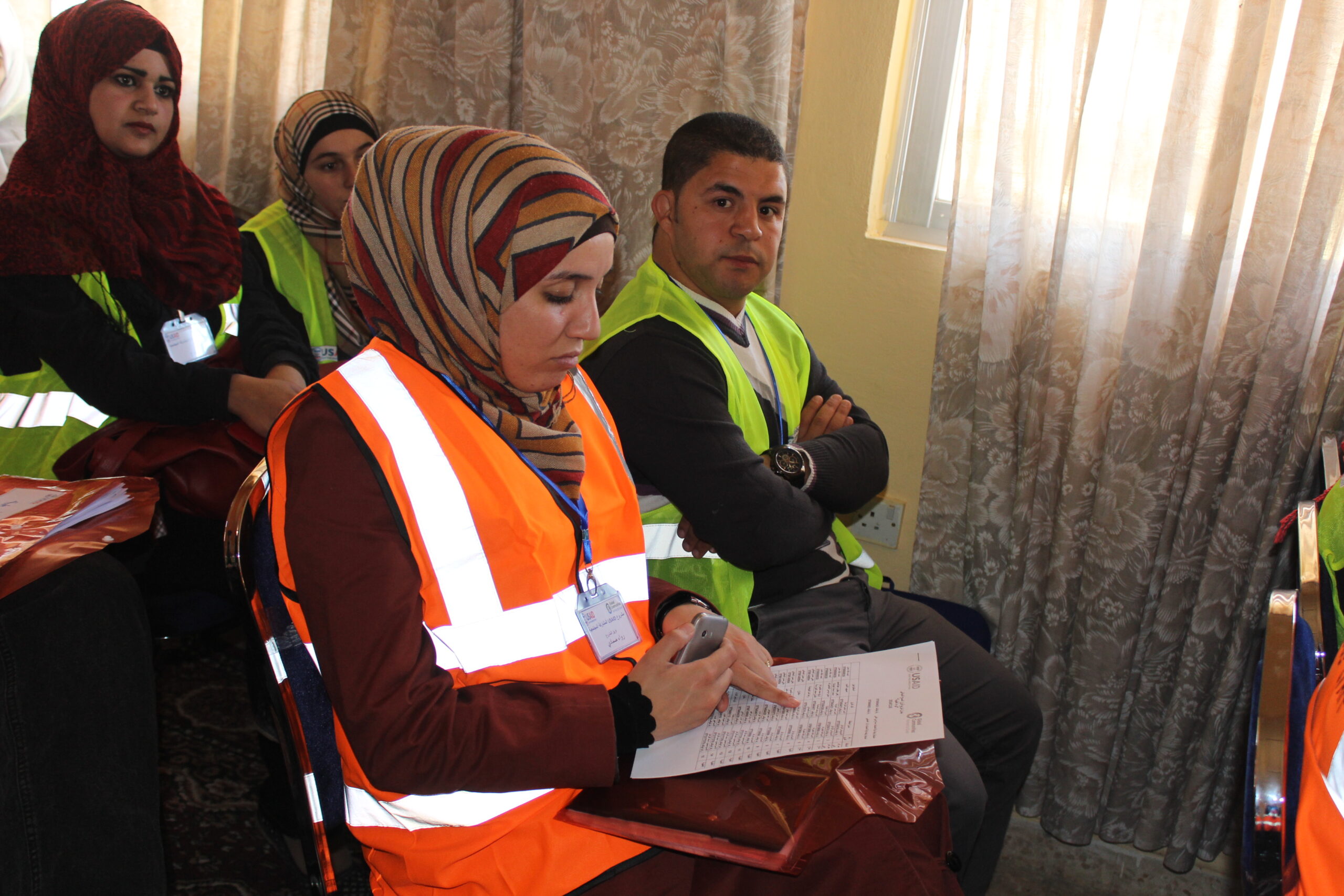
Context-Driven Financial Solutions
We tailor financial tools to local market realities — from cash transfers and vouchers in fragile settings to microloans and business grants in growing economies.
Economic Mobility Through Financial Inclusion
Our Financial Inclusion model supports people at every stage of their financial journey, helping them move from informal markets to formal economies.
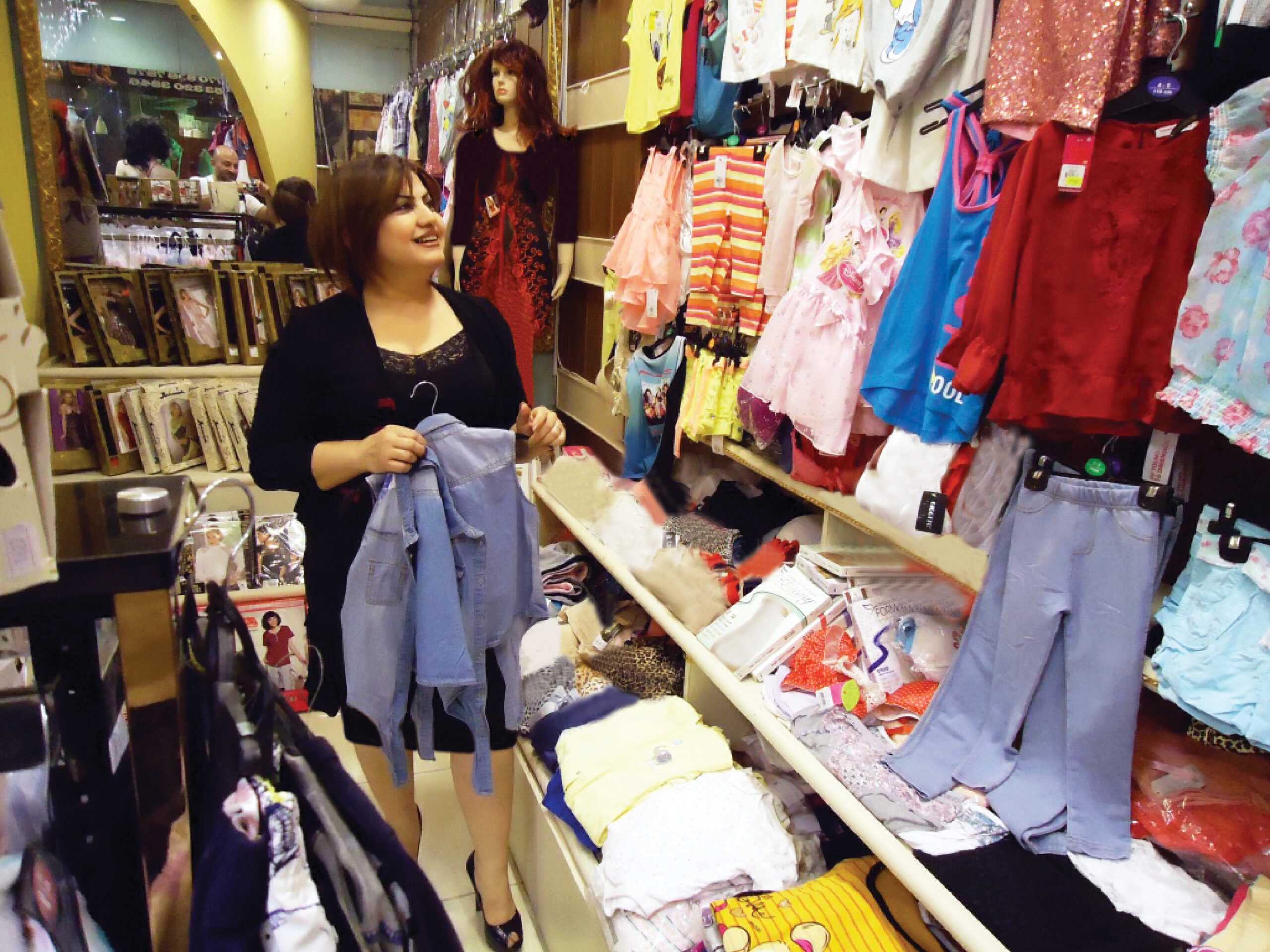
Economic Mobility Through Financial Inclusion
Our Financial Inclusion model supports people at every stage of their financial journey, helping them move from informal markets to formal economies.
Empowerment Through Inclusive Access
We prioritize equity by integrating savings, lending, and leadership development—especially for women, youth, and marginalized groups.
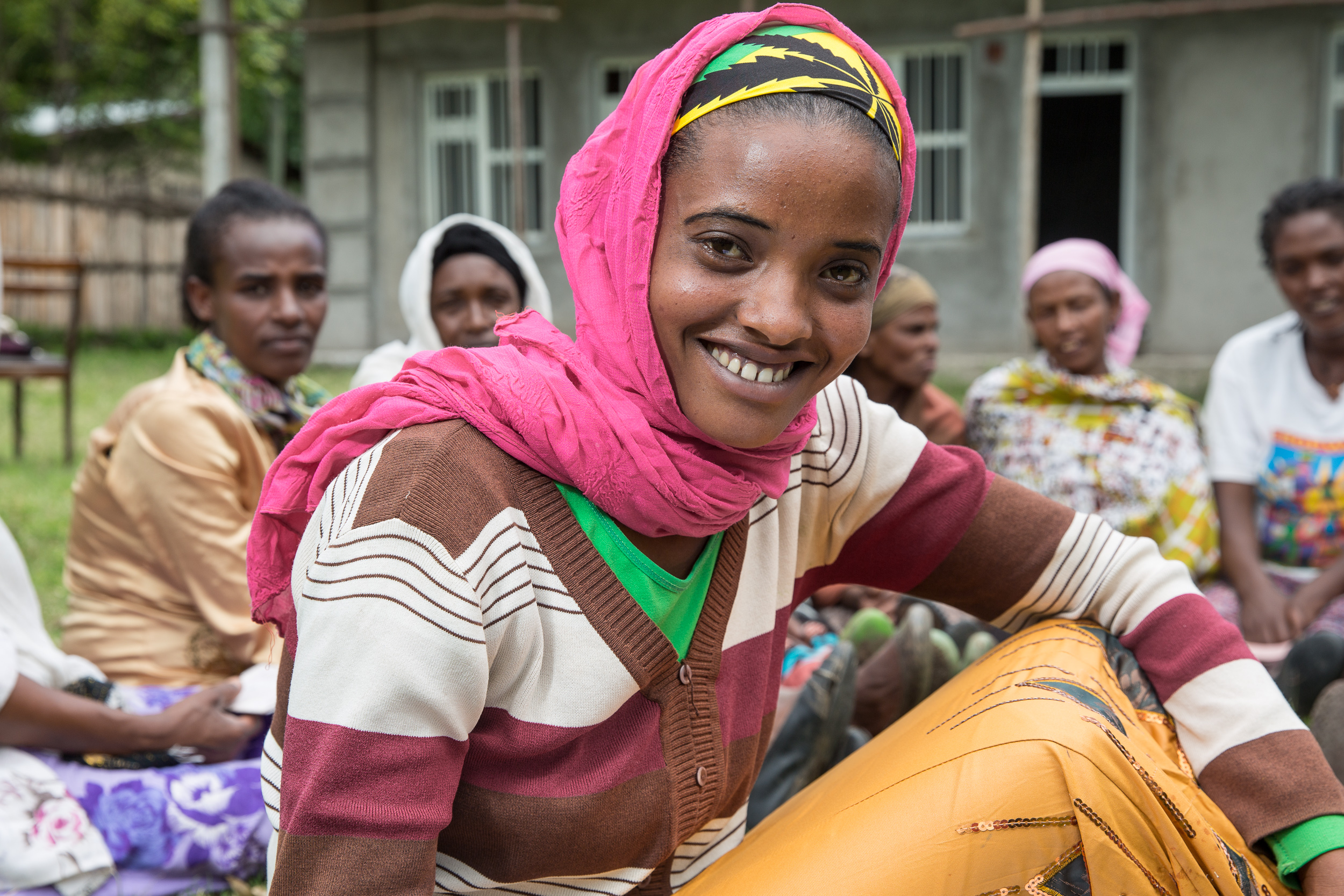
Empowerment Through Inclusive Access
We prioritize equity by integrating savings, lending, and leadership development—especially for women, youth, and marginalized groups.
Sustainable Growth Through Market Connection
We connect businesses to financial institutions, co-create loan products, and strengthen market systems to ensure lasting, inclusive development.
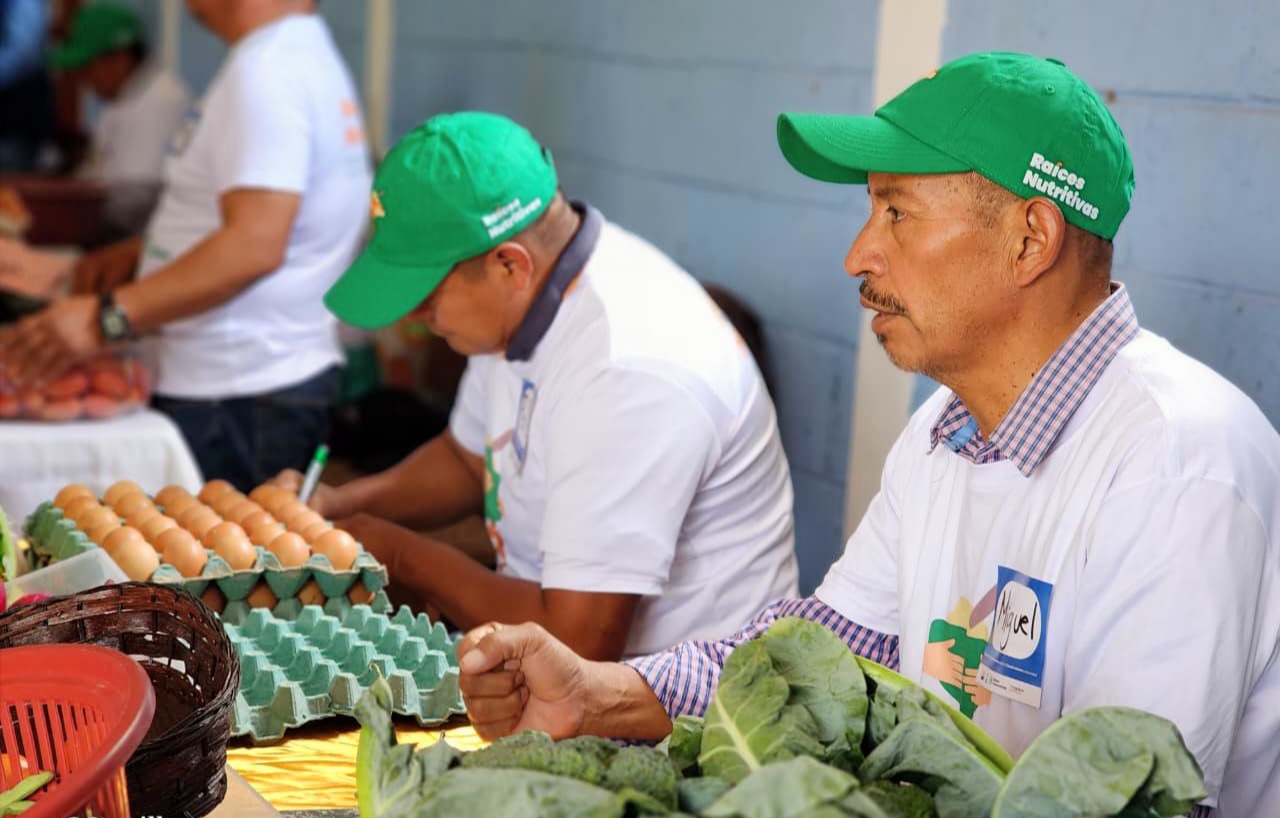
Sustainable Growth Through Market Connection
We connect businesses to financial institutions, co-create loan products, and strengthen market systems to ensure lasting, inclusive development.
Featured Program
Empowering Women, Strengthening Communities
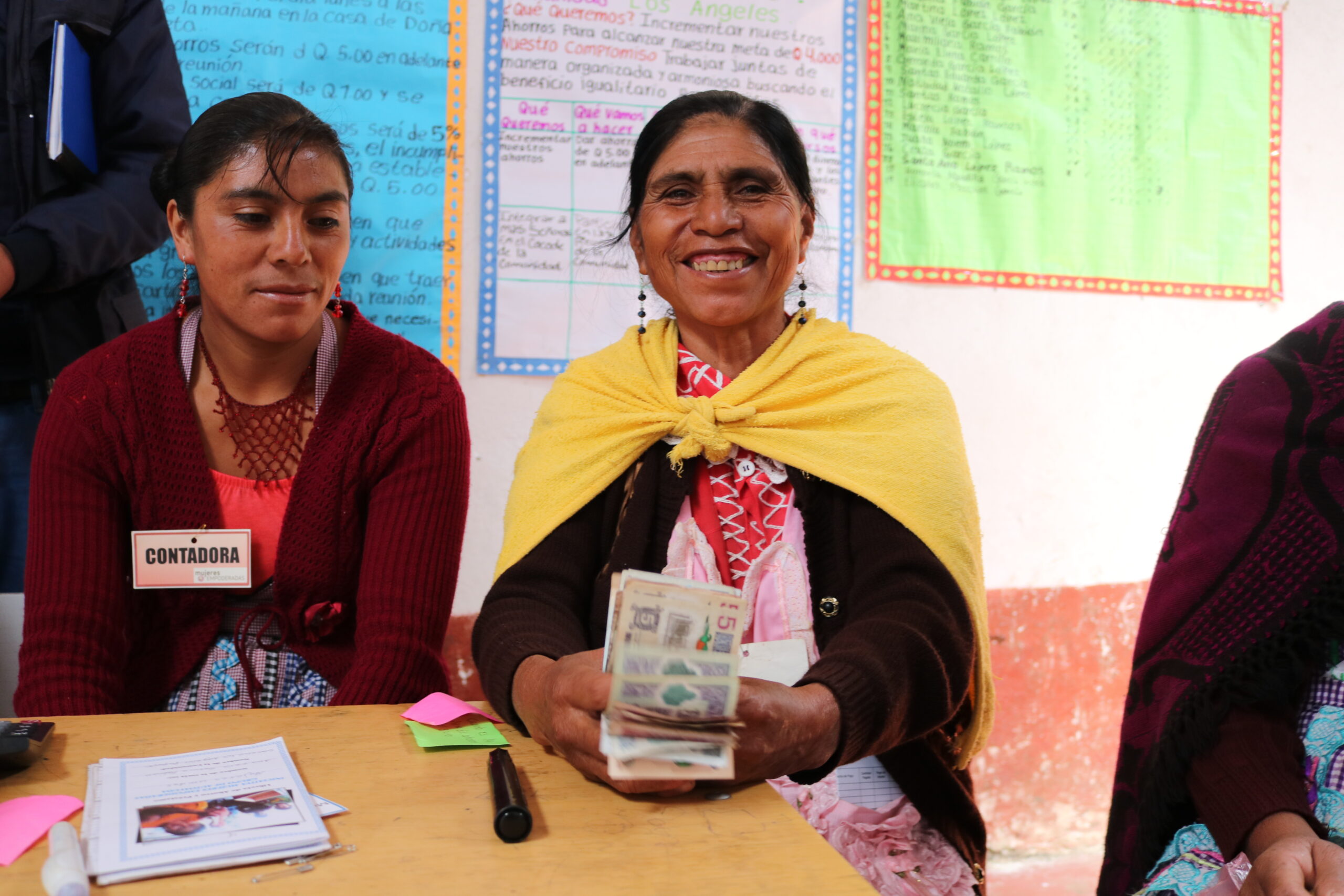
In countries like Ethiopia, Guatemala, and Madagascar, WE groups are not only saving and lending money—they’re building resilience. Members are using their platforms to promote maternal and child health, improve sanitation, and even construct classrooms.
In Ethiopia, over 3,140 groups have been formed, with members opening bank accounts and transitioning to digital savings. In Guatemala, WE members are leading efforts to recover livelihoods through cash transfers and mentorship, while also supporting nutrition and hygiene programs for mothers and children.
WE’s impact is both broad and deep. In Honduras, the program has supported households affected by disasters such as flooding and displacement by providing seed capital for small businesses. In Madagascar, WE groups have tackled sanitation challenges and initiated literacy training, demonstrating how women can lead community development when given the right support.
Across all regions, Global Communities has reached more than 400,000 people in over 18,700 WE groups, fostering a sense of ownership and self-reliance, encouraging women to take charge of their financial and social futures well beyond the time of our work with them.
Resources
Mujeres Empoderadas: Innovaciones en la programación de grupos de ahorro
CLEAR Cooperative Resilience Research
Cooperative Resilience Longitudinal Study in Kenya
Cooperative Development (CLEAR+) Program Project Brief
The USAID Cooperative Development Program CLEAR Learning Agenda Summary
Cooperative Businesses: A Training Guide for Cooperatives & Developers
Case Study: Meru Central Coffee Cooperative Union’s (MCCCUs) Business Development Journey with Global Communities in Kenya
News
Rethinking the Role of County Government and Apex Organisations in Grassroots Cooperatives Development: Key Lessons from Social Network Analysis in Kenya
Dorthy Tindi Sitati Collaboration Learning & Adaption (CLA) Officer USAID CLEAR Program The Ushirika Hub was paid for by USAID Cooperative Development Program in partnership with Root Change, Global Communities, NCBA CLUSA & WOCCU Government interference on cooperatives affairs is one of the challenges facing the development of cooperatives across Africa. Cooperatives will only be…
Digital Transformation Aids in Empowering Youth
Participating in online interactive sessions builds a momentum for youth of young ages Located in the Northwestern side of Jordan, Belila is a small village in the governorate of Jerash 55 km away on the north of the Capital. With a population of 8.000 inhabitants, most of the available occupations in Belila fall into the…
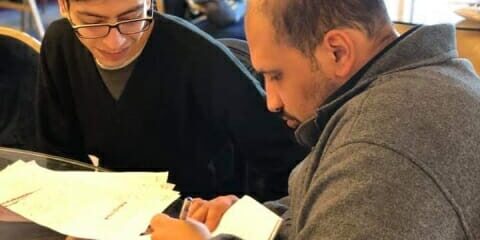
“Knowledge is the Power” When it Comes to Employment!
Empowering youth with professional skills necessary to secure jobs The spread of fraud and cyber-crimes in Jordan is on the rise. In 2019, the Cyber Crimes Unit recorded over than 6,000 complaints within the country’s Criminal Investigation Department. Poorer regions in Jordan suffer higher instances of cyber-crimes and fraud due to lack of knowledge on the…