
Ghana
We partner with communities across Ghana to expand safe water access, improve sanitation and hygiene, create economic opportunities, and strengthen local systems so every person can live a healthier, more secure future.
Ghana is one of West Africa’s most dynamic countries, home to more than 34 million people. In recent decades, the country has made impressive gains in economic growth, education, and health — but not everyone has benefited equally.
In rural northern Ghana, only about 15% of households rely on piped water for drinking, and open defecation remains common, putting families at risk of preventable diseases. These inequities affect health, education, and economic opportunity, particularly for women, children, and other marginalized groups.
Global Communities has been working in Ghana since 2007, partnering with local communities, government agencies, and the private sector to close these gaps.
Our programs focus on providing safe water and sanitation, improving health and hygiene, expanding access to credit, and creating economic opportunities for young people.
By combining practical solutions with community-led approaches, we help families build resilience, strengthen local systems, and create lasting change. Together, we’re working toward a future where every Ghanaian has the resources and opportunities they need to thrive.
Current Programs
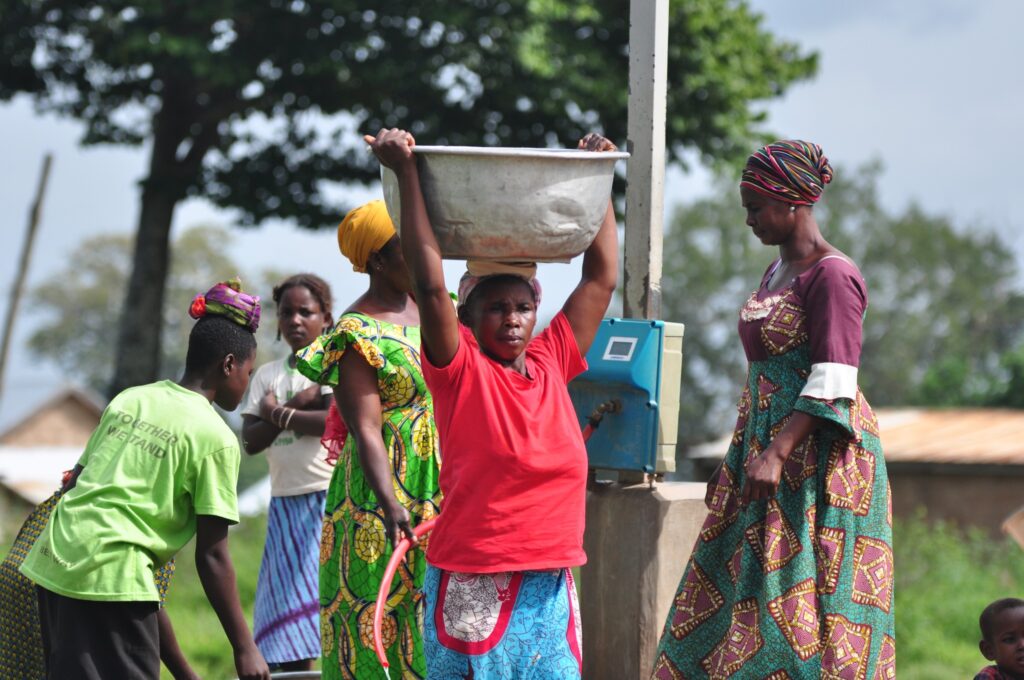
Performance-Based Financing of Public Piped Water Systems in Rural Ghana
The Performance-Based Financing of Public Piped Water Systems in Rural Ghana project evaluates whether linking funding to service delivery outcomes can improve both the financial performance and reliability of public water systems. Led by Global Communities in collaboration with the Aquaya Institute and funded by the Hilton Foundation, the study will assess baseline financial performance, explore the impact of performance monitoring and benchmarking, and pilot performance-based funding approaches with public water suppliers over a 3-year period starting in 2023.
Research draws on partnerships with local government, community-based management teams, and existing REAL-Water research sites, enabling robust data collection and actionable insights. Findings could inform national policy, donor investments, and future program design to expand sustainable, safe water access in rural Ghana.
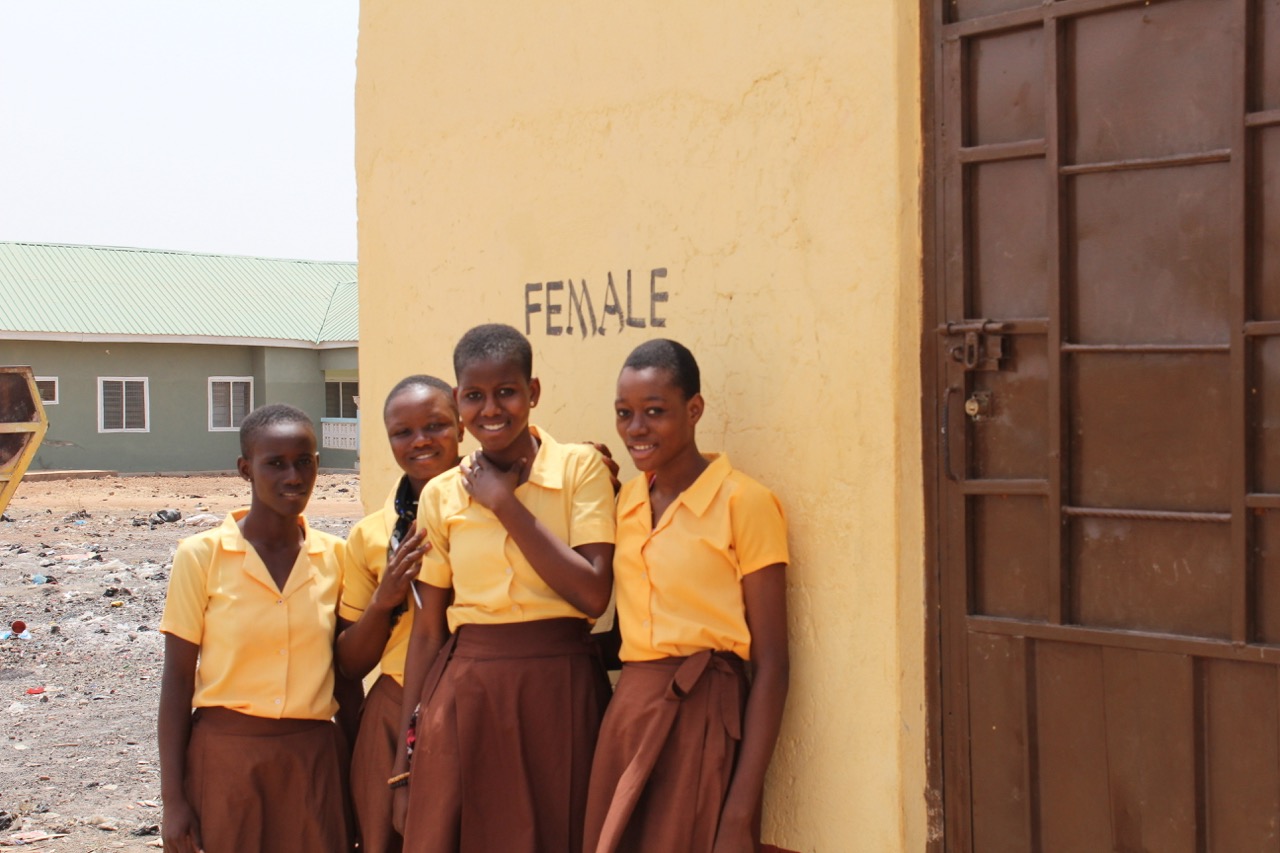
Building Pathways for Ghana’s Coastal Youth
The Alternative Livelihood Project works with 5 fishing communities, Sakumono, Tema Manhean, Nungua, Kpone and Prampram to provide skills training for youth to access economic opportunities and expand those available. Led by Global Communities and funded by the partner Meridian Port Services, the project has committed to empowering communities with dedication to corporate social and environmental initiatives.
Previous Programs
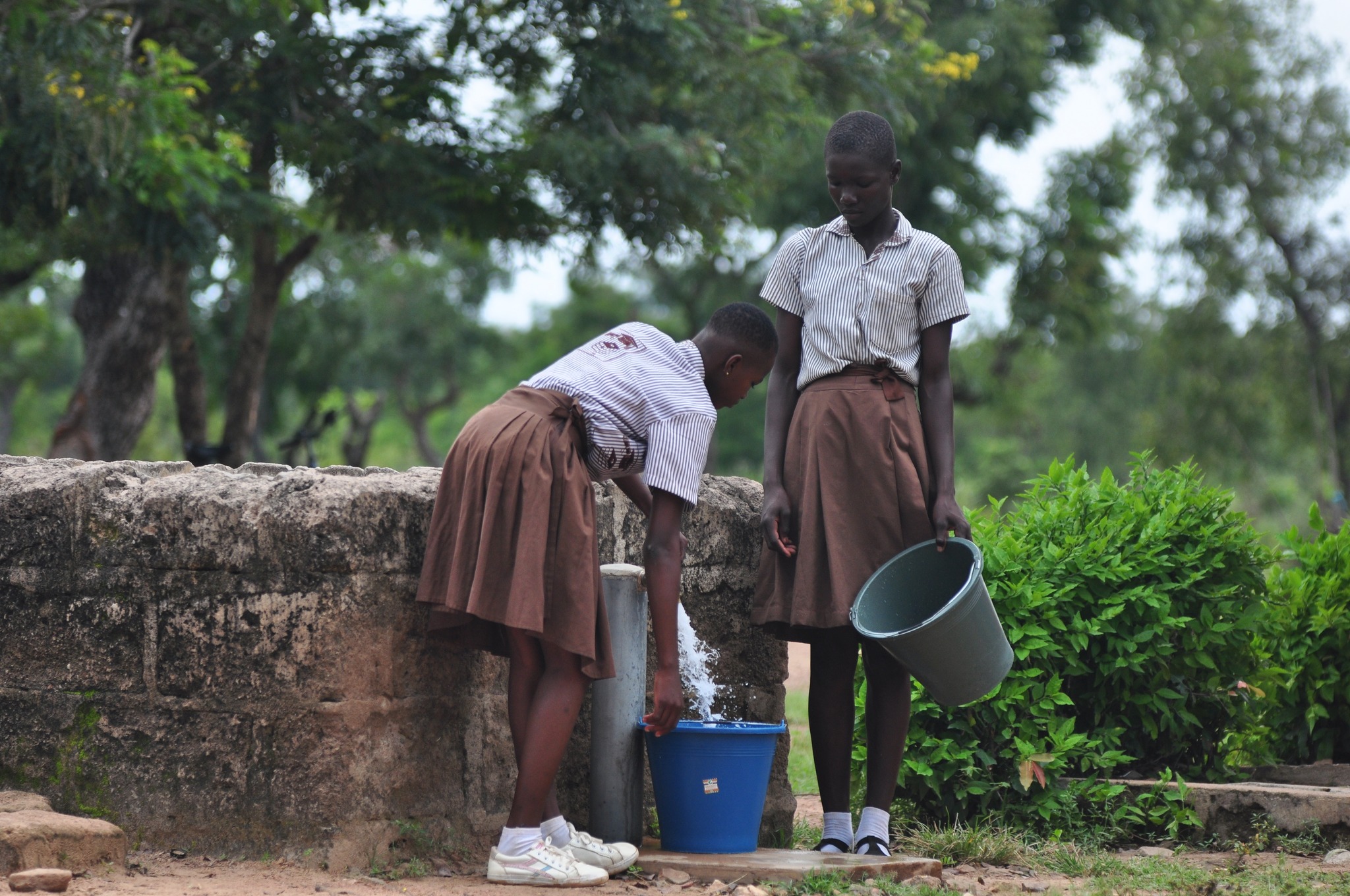
Enhancing Access to Clean Water and Hygiene Services
Enhancing Water, Sanitation and Hygiene (En-WASH) was implemented from 2021 to 2025 with funding from the U.S. Government. The program facilitated sustainable access to water, sanitation, and hygiene services, and financing and governance in northern Ghana.
The project was highly successful, connecting over 203,000 people with potable drinking water access, providing 158,000 with access to improved sanitation, and making substantial infrastructure improvements in sanitation and hygiene facilities across Upper West and Northern regions. Over four years, 137 new mechanized water systems were installed in community health facilities and high-need communities.
More than 16,350 household latrines were built, and behavior change efforts led to 335 communities being officially declared Open Defecation Free (ODF). The program made significant strides in advancing sustainable WASH services and fostering community-led practices across northern Ghana. En-WASH scaled efforts to enhance technical support for water quality monitoring, sanitation infrastructure, and institutional capacity building, while embracing a holistic approach to empowering underserved and marginalized groups.
The project’s high-impact initiatives, spanning water quality testing, infrastructure expansion, capacity-building, and private sector engagement helped establish a foundation for enduring improvements in Ghana’s WASH sector. (Completed in 2025)
Equipping Underserved Communities with Access to Clean Water
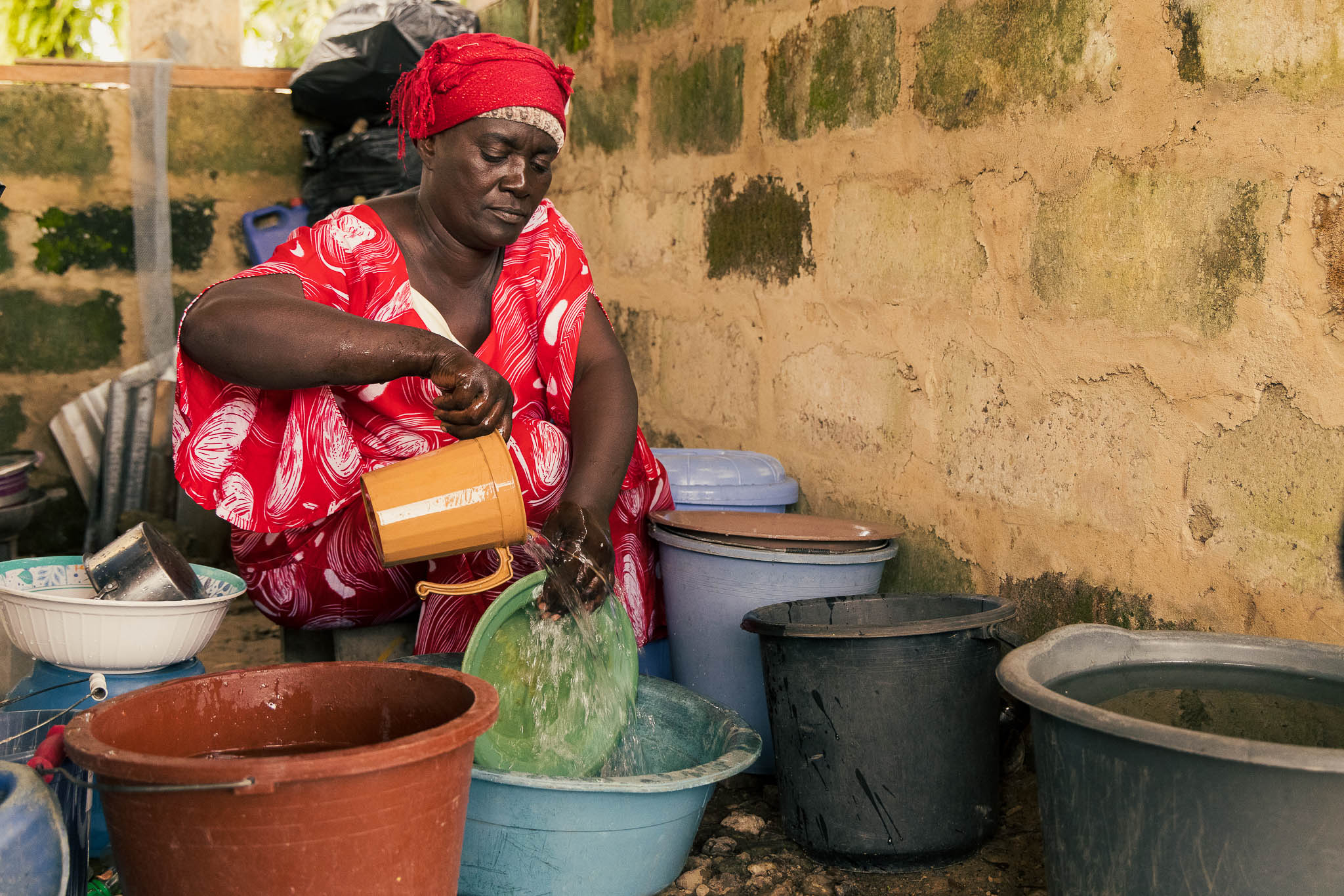
Global Communities partnered with the Gold Fields Ghana Foundation to help break down barriers that have traditionally left the poorest districts in Ghana without lifesaving water and sanitation initiatives. Focused on two mining towns in Ghana’s western region, we worked with local water and sanitation leaders (WATSAN) to install a small-town water system.
We hired local carpenters, masons and welders to work alongside installation teams, thus ensuring sustainability and local leadership. Ultimately, as pipes age and pumps need replacement, the trained WATSAN leaders will be able to make repairs instead of hiring costly external labor.
Building on decades of WASH experience, we provided technical and financial support to encourage behavior change and capacity building so that the project's impact would be felt long after Global Communities departed. (Completed in 2021)
Improving Key Water, Sanitation and Hygiene Practices
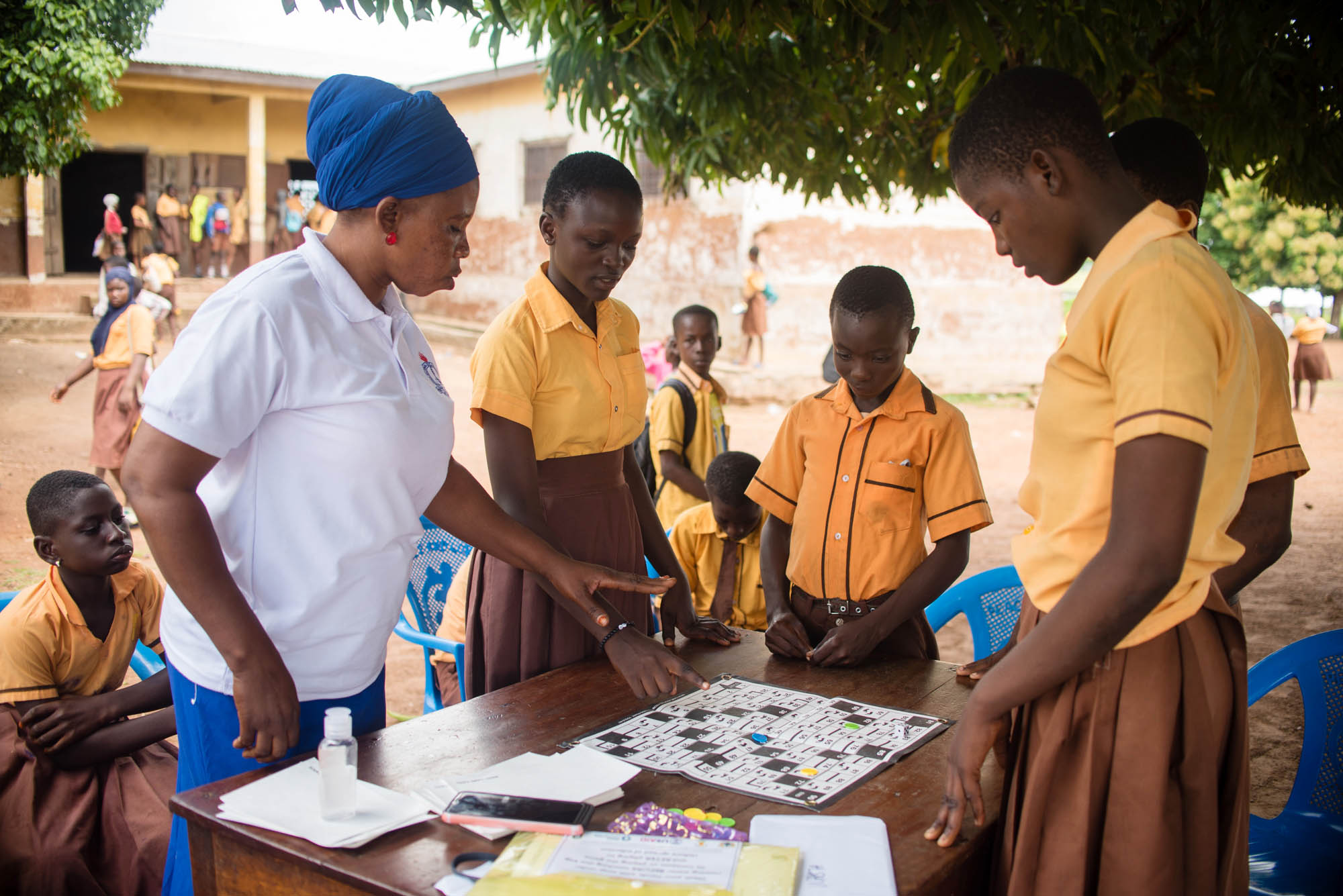
Under the United States Agency for International Development (USAID) funded Water, Sanitation and Hygiene (WASH) for Health program, Global Communities worked in over 30 districts to create sustainable improvements in water and sanitation access and hygiene behaviors through improved sector governance and private sector engagement. Global Communities adapted its community-led total sanitation methodology, originally developed in Liberia, to the Ghanaian context to achieve open defecation-free status, working closely with district governments to institutionalize WASH in district plans.
WASH for Health increased access to water supply through the development of small-town water systems, complemented by partnerships with Coca-Cola and Rotary International. Global Communities also partnered with Cummins Ghana Ltd., the Cummins Foundation and the Unilever Ghana Foundation to help over 6,000 students improve their hygiene behaviors at school and share this knowledge with their families and communities.
In the final years of the WASH for Health program, Global Communities applied and evaluated a behavior-led approach called behavior integration. Initial findings indicated that this approach could overcome entrenched obstacles and accelerate WASH behavior change in months rather than years—an exciting opportunity for further study and potential application across diverse contexts. (Completed in 2021)
Creating Sustainable Economic Opportunity for Young People in Urban Areas
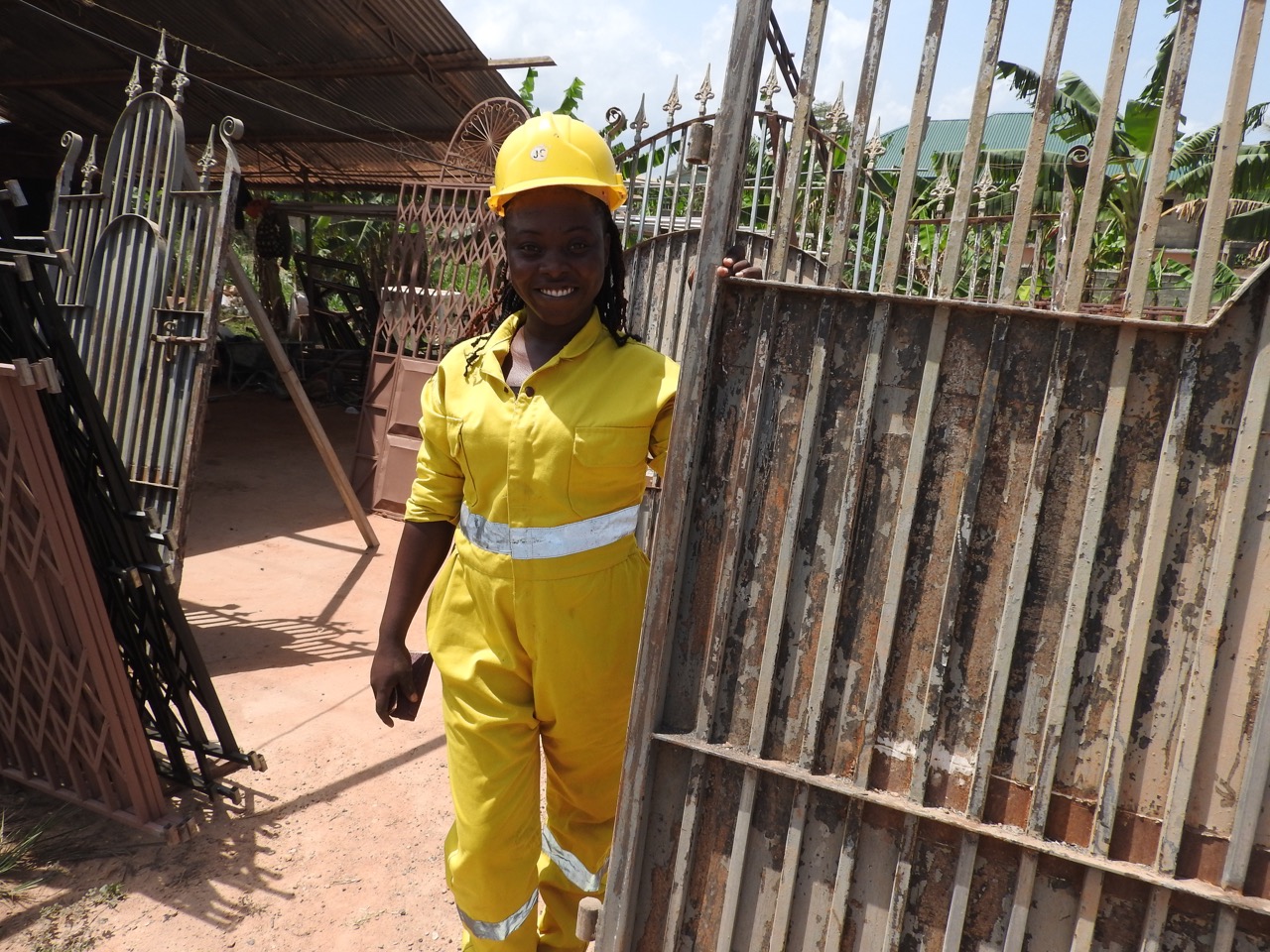
Global Communities worked in Ghana’s booming construction sector to create opportunities for disadvantaged youth through the Youth Inclusive Entrepreneurial Development Initiative for Employment (YIEDIE). YIEDIE provided training in technical, life and entrepreneurship skills to support employment opportunities. Implemented with the Mastercard Foundation, the program addressed labor shortages and applied an integrated, youth-led market-systems model to build the capacity of both youth and service providers across the value chain.
Participants benefited from increased job opportunities and higher incomes, while sector stakeholders—such as private sector firms, financial service providers, training institutions and the government—gained improved coordination and capacity to enhance the enabling environment. By the end of the program, female enrollment rose from 11% to 30%, and more than 25,000 young people aged 17 to 24 were trained in technical and entrepreneurial skills across Accra, Kumasi, Sekondi-Takoradi, Ashaiman and Tema. (Completed in 2020)
Impact
203,880
people reached with safe water access
through the Enhancing WASH project
16,350
latrines built benefiting over
158,000 people over four years
335
communities certified as
Open Defecation Free (ODF) over four years
Resources
Addressing Sanitation Market Challenges
Promoting Positive Youth Development & the Advancement of Adolescent Girls and Young Women
Beyond Technology – Strengthening Ghana’s Rural Sanitation Market
Improving Key Water, Sanitation and Hygiene Practices in Ghana Through A Behavior-Led Approach
Barriers and Solutions to Youth Employment in the Ghanaian Construction Sector
Strengthening the Capacity of Business Associations to Support Youth Employment: A Case Study of the Artisans Association of Ghana
Increasing Access to Finance for Youth in Ghana: Lessons Learned from the YIEDIE Project
Improving School Attendance and Positive Feelings about Menstruation for Girls in Ghana through a Holistic Menstrual Health and Hygiene Management Approach
News
Kalba Community Gets Potable Water
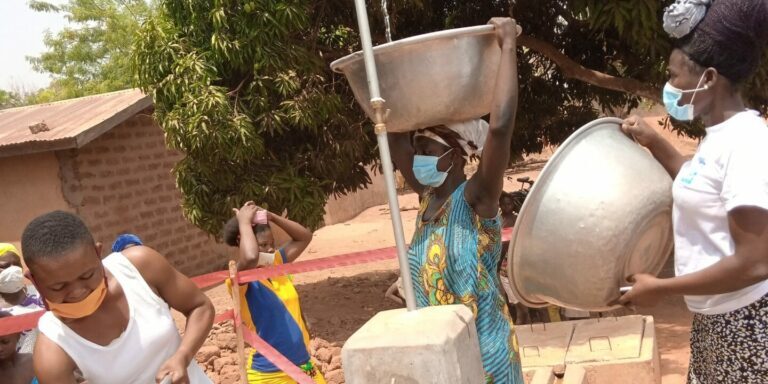
This article was originally published on GhanaWeb A water system has been inaugurated at Kalba in the Sawla-Tuna-Kalba District of the Savannah Region to extend potable water to the people of the area and beyond. The gesture is part of an overall community support scheme to amongst others ensure improved hygienic behaviours. The water system…
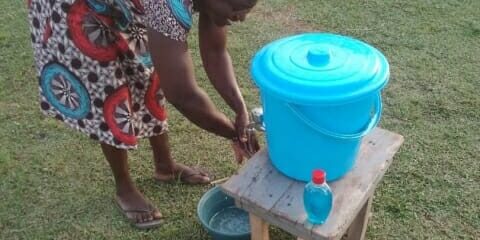
A Household Gets A Veronica Bucket After Handwashing Sensitization In School
The WASH for Health (W4H) project has been promoting handwashing as a key hygiene behaviour among Ghanaian households and basic school students since its inception in 2015. Increasingly, handwashing has become the new normal lifestyle in Ghana and beyond, primarily as a result of efforts to protect against the COVID-19 pandemic. The World Health Organization…
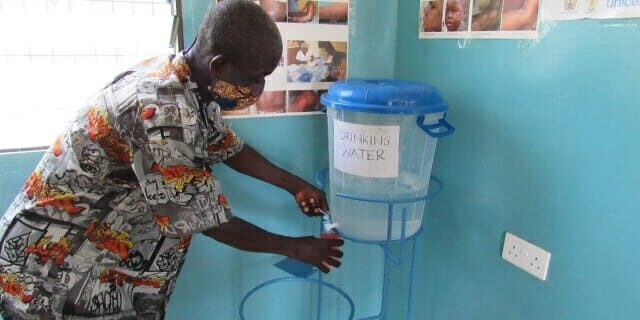
Improving WASH in Health Care Facilities
In Ghana, one place apart from home to feel cared for is a Health Care Facility (HCF). Not only are the health personnel professional, but most importantly, the health care institution must have functional Water Access, Sanitation and Hygiene (WASH) facilities including toilet facilities, handwashing stations and clean drinking water stations. Unfortunately, the Ghana Joint…