
Guatemala
We help open doors to new job opportunities, support returned migrants reintegrate into their communities, and expand access to clean water, sanitation, and hygiene. We work to improve health for vulnerable families, respond quickly to disasters, strengthen schools so students can thrive, and support efforts that reduce child and maternal deaths.
As the most populous country in Central America, Guatemala faces a combination of socioeconomic and environmental challenges, including food insecurity, high levels of migration, low literacy rates, cyclical weather shocks and health crises. In the Western Highlands region, where drought is worsening every year, over 75% of the population lives in poverty and two-thirds of children are chronically malnourished.
Global Communities has worked in Guatemala for over five decades to address these challenges and create opportunities for generations to come.
Supporting communities through both crises and long-term recovery in Huehuetenango, Quiché and other departments, the strength of our programs lies in deep partnerships with local actors.
We work closely with parents, teachers and students, national and local governments, non-governmental organizations, the private sector and local leaders to implement a wide range of interventions: from increasing access to healthy school meals and forming savings groups to supporting local entrepreneurs and strengthening disaster risk reduction capabilities.
Current Programs
Improving Bilingual Literacy and Nutrition in School-Aged Children
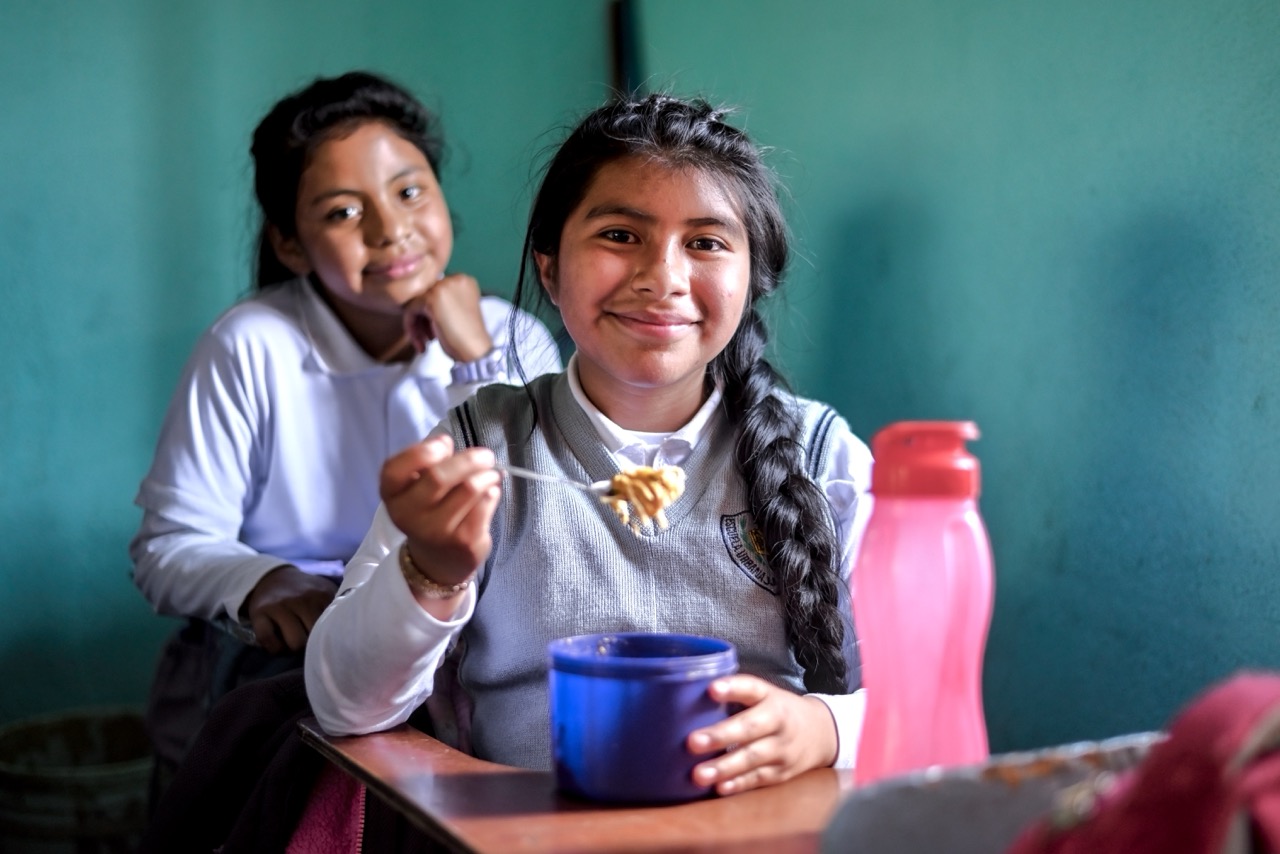
Since 2010, Global Communities has led integrated school meals projects in Guatemala with funding from the United States Department of Agriculture’s (USDA) McGovern-Dole International Food for Education and Child Nutrition Program (McGovern-Dole). We implement our current program, Unidos (“United” in Spanish), in partnership with Save the Children, a literacy partner Juárez & Associates, and key partners in government and civil society. Unidos provides daily school meals to preschool and primary school students, improves bilingual literacy in Spanish and Mayan languages (Mam, Q’anjob’al, K’iche’ and Ixil) and ensures that local languages are integrated into the education process.
Unidos operates in 14 municipalities across 450 schools. In addition to providing USDA-donated food commodities and purchasing locally grown fruits and vegetables, Unidos builds the skills and leadership of local partners to support long-term, community-led school meals programs that also receive national-level support from the Ministry of Education. It also incorporates maternal and child health and nutrition education, upgrades school infrastructure, and supports the development of pedagogical school gardens. To improve household nutrition, Unidos distributes take-home food rations to selected participants.
Over the course of the project (2021–2026), 94,522 people will receive direct assistance. This includes 65,344 students receiving daily school meals.
Expanding Access to WASH to Improve the Quality of Life
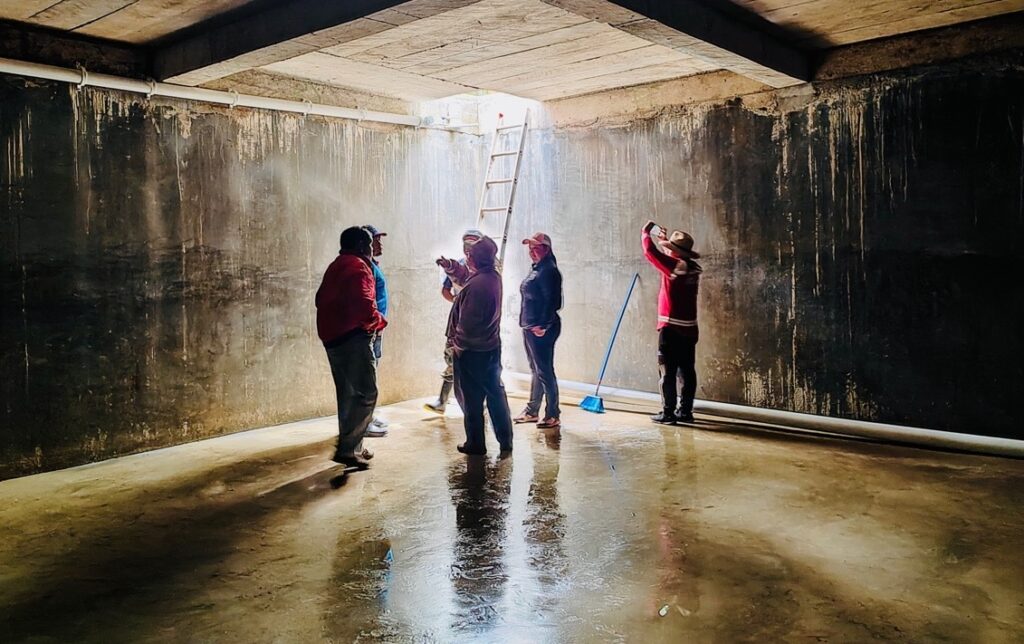
The Integrating WASH Services (I-WASH) project (2022-2027), funded by the Unites States Department of State, works to improve access to safe water and sanitation, expand employment opportunities in the WASH sector and mobilize local investment from the Guatemalan government and private sector. Global Communities implements I-WASH in communities across 13 municipalities in Huehuetenango and 5 municipalities in Quiché.
Together with local partners Agua del Pueblo, Mancomunidad del Norte de Quiché and Mancomunidad Frontera del Norte de Huehuetenango, I-WASH evaluates and improves local water systems, latrines, and water treatment plants, and establishes critical water and sanitation infrastructure at community health posts.
Providing Comprehensive Sexual and Reproductive Health Services for Indigenous Women
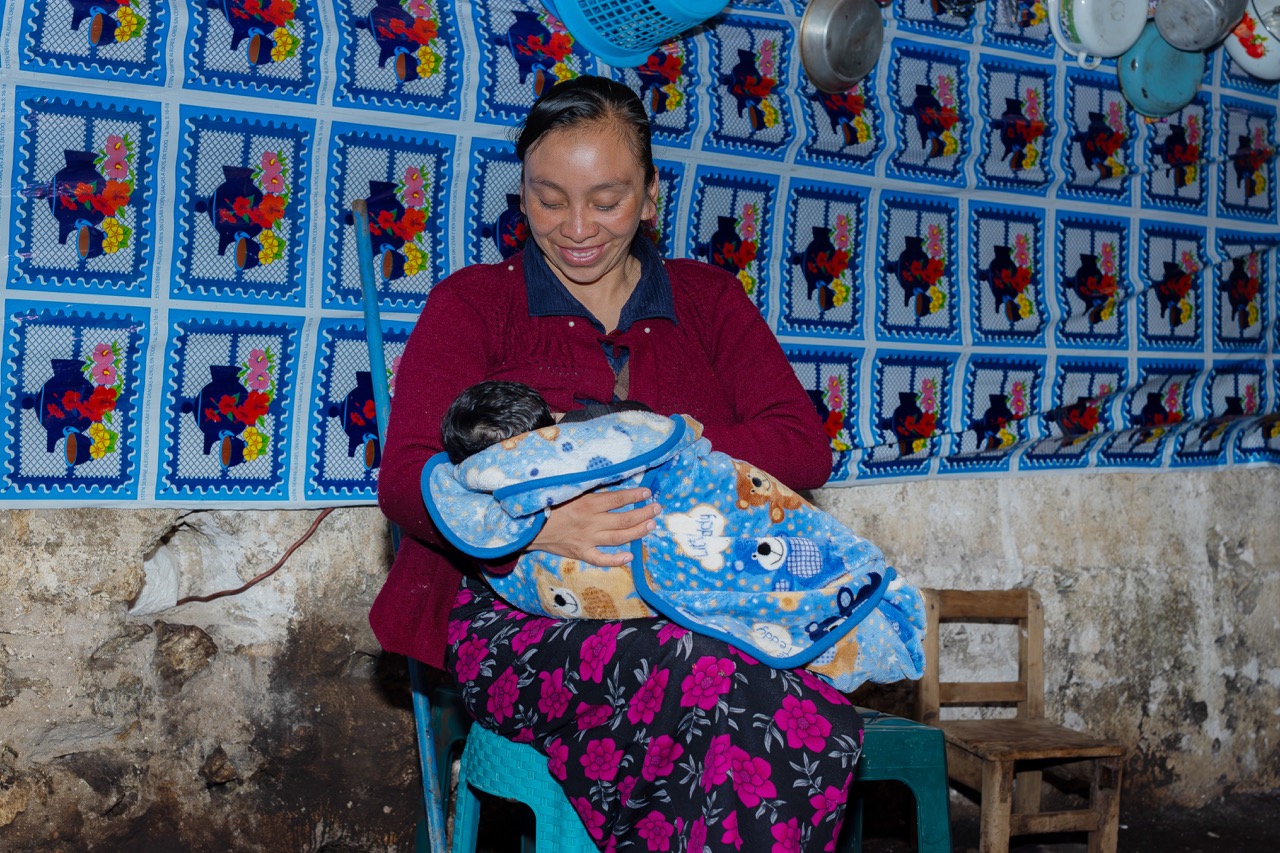
Since 2000, Casa Materna (“Mother’s House” in English) has provided care to more than 100,000 Indigenous Mayan and mestizo women with obstetric risks. The program trains community health workers, including traditional midwives, to identify and support women with high-risk pregnancies. The program also uses the Kangaroo Family Care methodology to support infants and their mothers.
In addition to pregnancy and postpartum care, Casa Materna delivers such sexual and reproductive health services as gynecological care, counseling, family planning, pap smears and cervical cancer screenings.
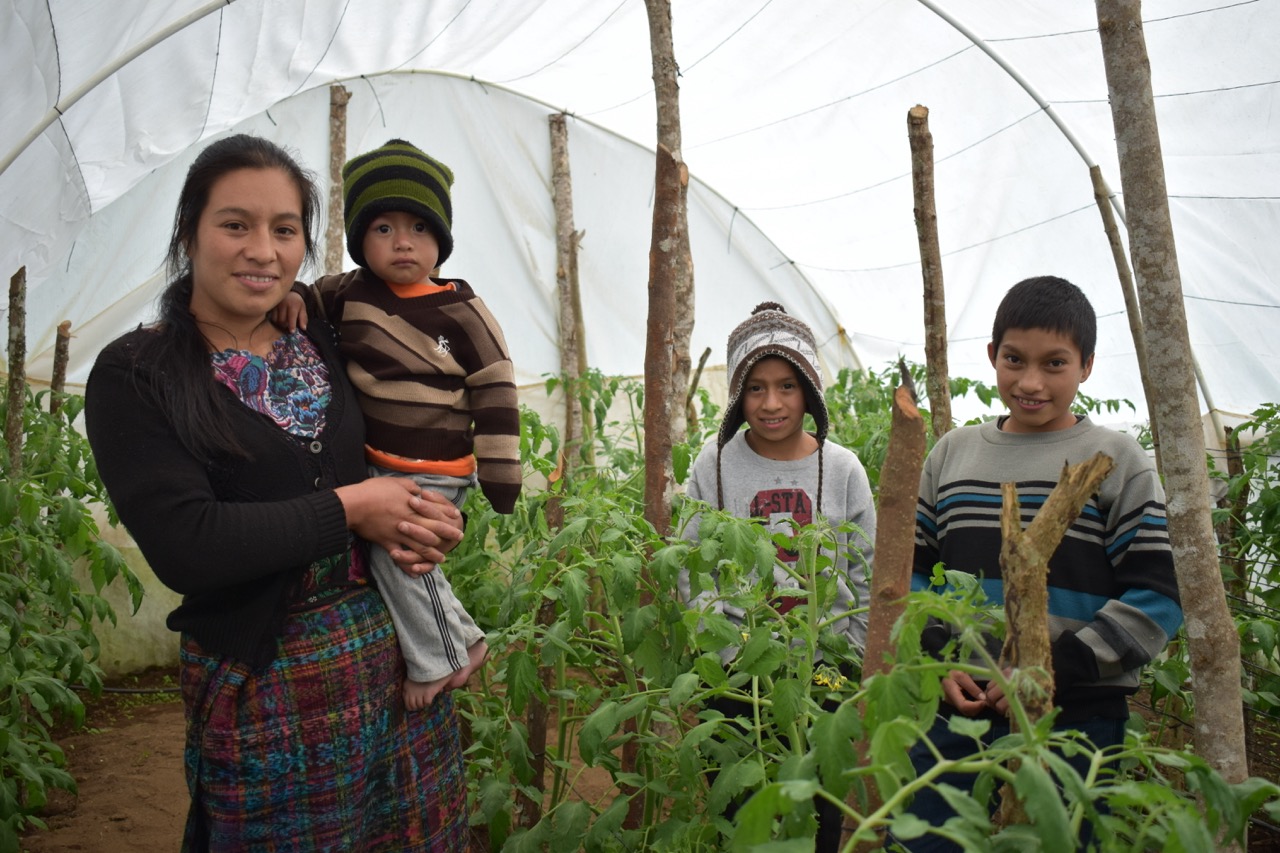
Enhancing Food Security and Resilience in Huehuetenango
In the towns of Colotenango, Jacaltenango, and Santa Bárbara in Huehuetenango, Global Communities is implementing the Podemos Mas (“We Can” in Spanish) program, with funding from USAID’s Bureau for Humanitarian Assistance (BHA). Podemos+ Mas focuses on the most vulnerable households, especially those including pregnant women and mothers with children aged five and under. In addition, Podemos Mas creates savings and lending groups to support members as they save money, invest in productive assets, and improve resilience to food insecurity. In 2024, the program supported food security initiatives and worked to reduce malnutrition by providing multipurpose cash assistance for 3,675 households.
As part of the HogaRES initiative (a public-private partnership between the U.S. Government, Guatemalan private sector actors, and international and local organizations), Podemos+ Mas is also replacing dirt floors with concrete floors to create clean safe spaces for families to prosper, and reduce vectors for diarrheal diseases, which are a leading contributor to malnutrition in Guatemala.
Previous Programs
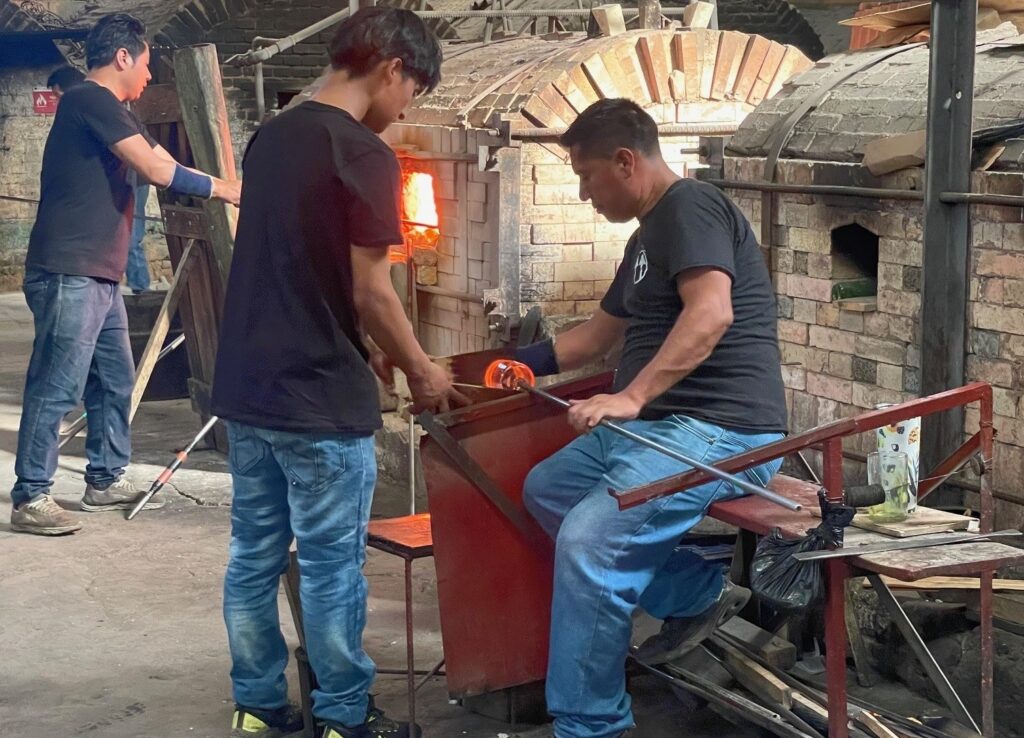
Promoting Worker Cooperatives for Economic Resilience
Studies suggest that worker cooperatives are more resilient than traditional businesses and more likely to care for their member-owners. They create jobs where employees have a democratic say in business management.
From 2023 to 2025, Global Communities implemented the Cooperative Leadership, Engagement, Advocacy and Research (CLEAR+) Program in Guatemala. Funded through USAID’s Cooperative Development Program (CDP), CLEAR+ promoted the creation of worker cooperatives in non-traditional fields for cooperatives in Guatemala, such as tourism, water systems, domestic services, masonry and construction work.
The program aimed to create a better environment for cooperatives and enhance the skills and learning opportunities for cooperative members, focused on Mayan women and youth. (Completed in 2025)
Protecting Herds Against Shocks and Stresses with Mobile-Based Insurance
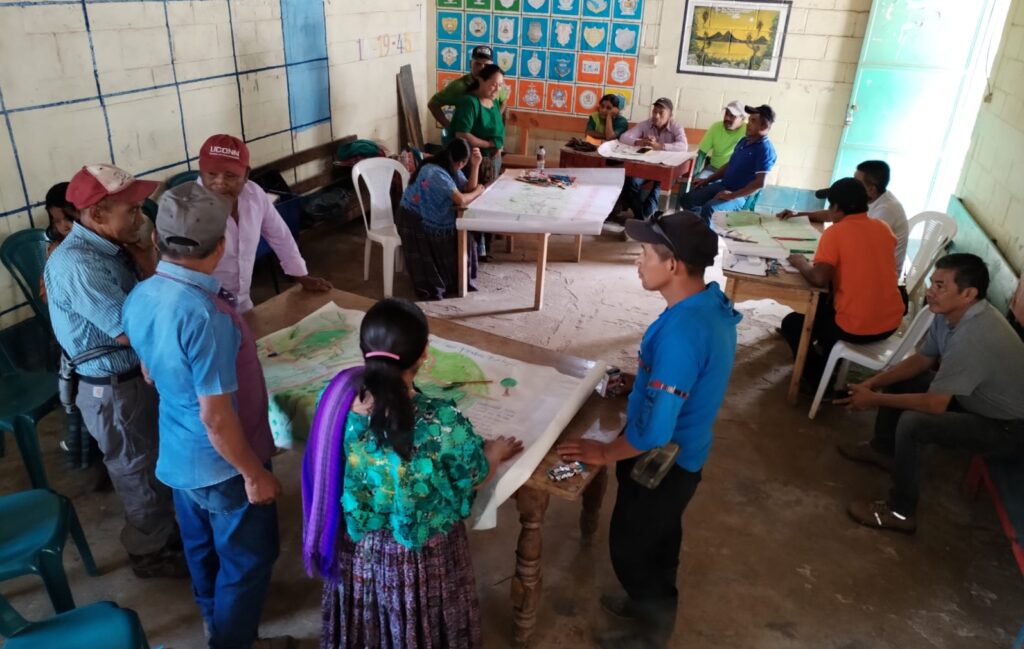
From 2024 to 2025, Global Communities implemented the Integrated Disaster Risk Reduction and Resilience (IDR3) project in partnership with the National Coordinator for Disaster Reduction (CONRED). Funded by USAID’s Bureau for Humanitarian Assistance (BHA), the project strengthened resilience and disaster risk reduction (DRR) capabilities of Guatemalan institutions at the national, municipal and community levels.
At the national level, IDR3 worked with the Executive Secretariat of CONRED. At the departmental level, IDR3 strengthened the DRR networks in Alta Verapaz, Guatemala, Huehuetenango and Izabal. At the community level, IDR3 worked to establish and strengthen local DRR coordinators (COLRED) and create community DRR plans.
This project also utilized Global Communities’ transformative Women Empowered (WE) initiative to create savings groups. WE groups strengthened household economic resilience and helped members – especially women – prepare for and respond to disasters. (Completed in 2025)

Strengthening Disaster Risk Management and Community Preparedness
The SE-CONRED Capacity Strengthening Program (SCSP), funded by USAID/BHA and executed between July 2021 and July 2024, sought to strengthen the capacity of the Executive Secretariat of the National Coordinator for Disaster Risk Reduction (SE-CONRED) and its partners at the municipal and community levels.
Global Communities worked with SE-CONRED to update its DRR policies, guides and manuals, and establish DRR models in 25 communities at high-risk of socio-environmental disasters in the Alta Verapaz, Huehuetenango, Izabal and Quiché regions of Guatemala. This included the creation of community DRR plans and maps and community-level training to promote emergency preparedness at the community level in hazard-prone areas susceptible to flooding and landslides. (Completed in 2024)
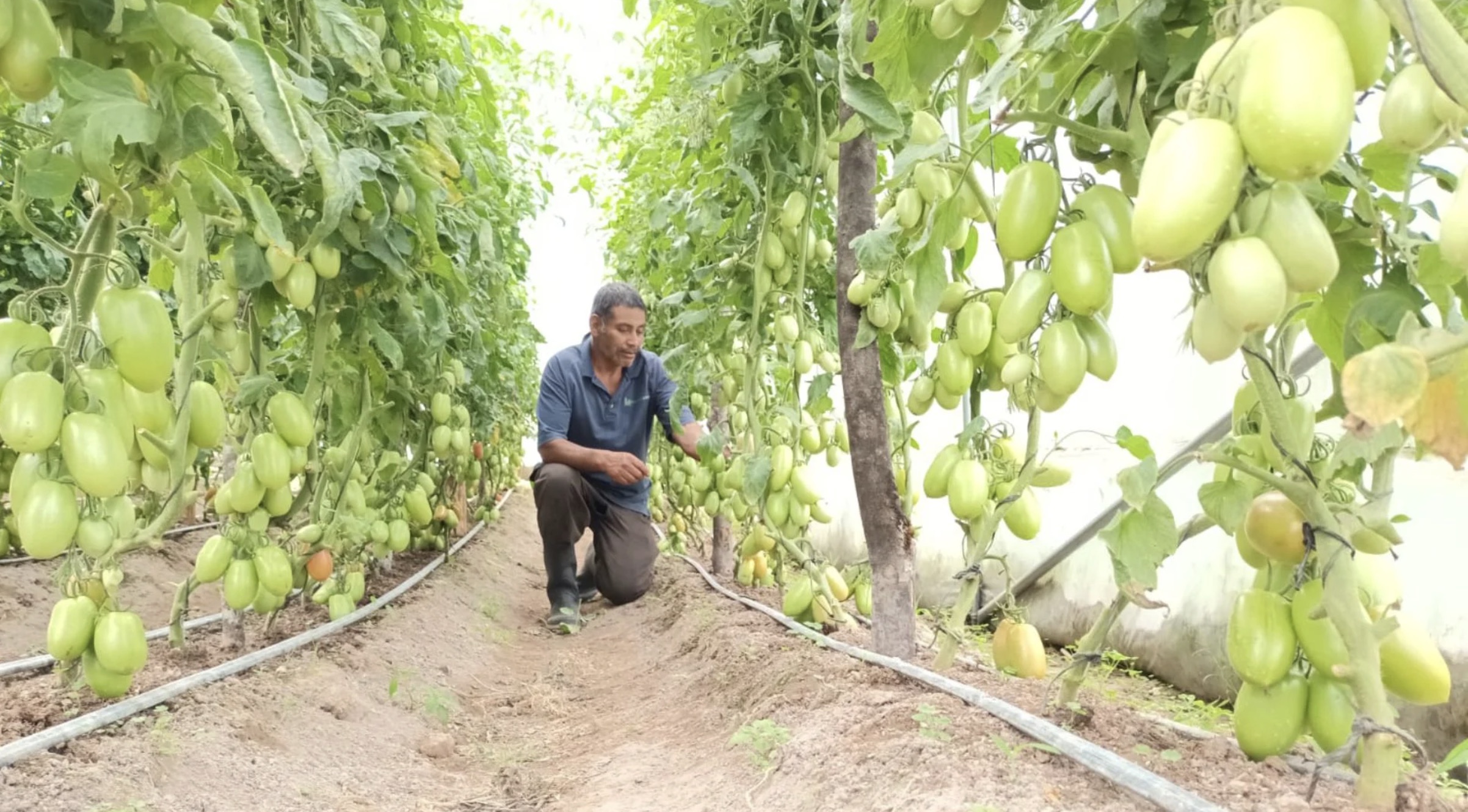
Reducing Disaster Impact and Supporting Economic Recovery
Between June 2022 and December 2023, Global Communities implemented the Podemos (“We Can” in Spanish) program in the municipalities of Aguacatán, Colotenango, Malacatancito and Huehuetenango. Funded by USAID/BHA, Podemos sought to reduce the physical, social and economic impacts of socio-environmental disasters. The project supported 4,700 at-risk families, including by providing multipurpose cash transfers to households with malnourished children and pregnant women. In addition, Podemos supported economic recovery by forming 150 WE groups.
Podemos also helped families whose homes were damaged by hurricanes Eta and Iota or heavy rainfall and flooding that made their homes unsafe and undignified. Finally, the project created groups of community volunteers who supported the implementation of interventions related to protection, gender equality, decision-making in couples and the recommended use of cash. (Completed in 2023)
Advancing Women's Skills and Development
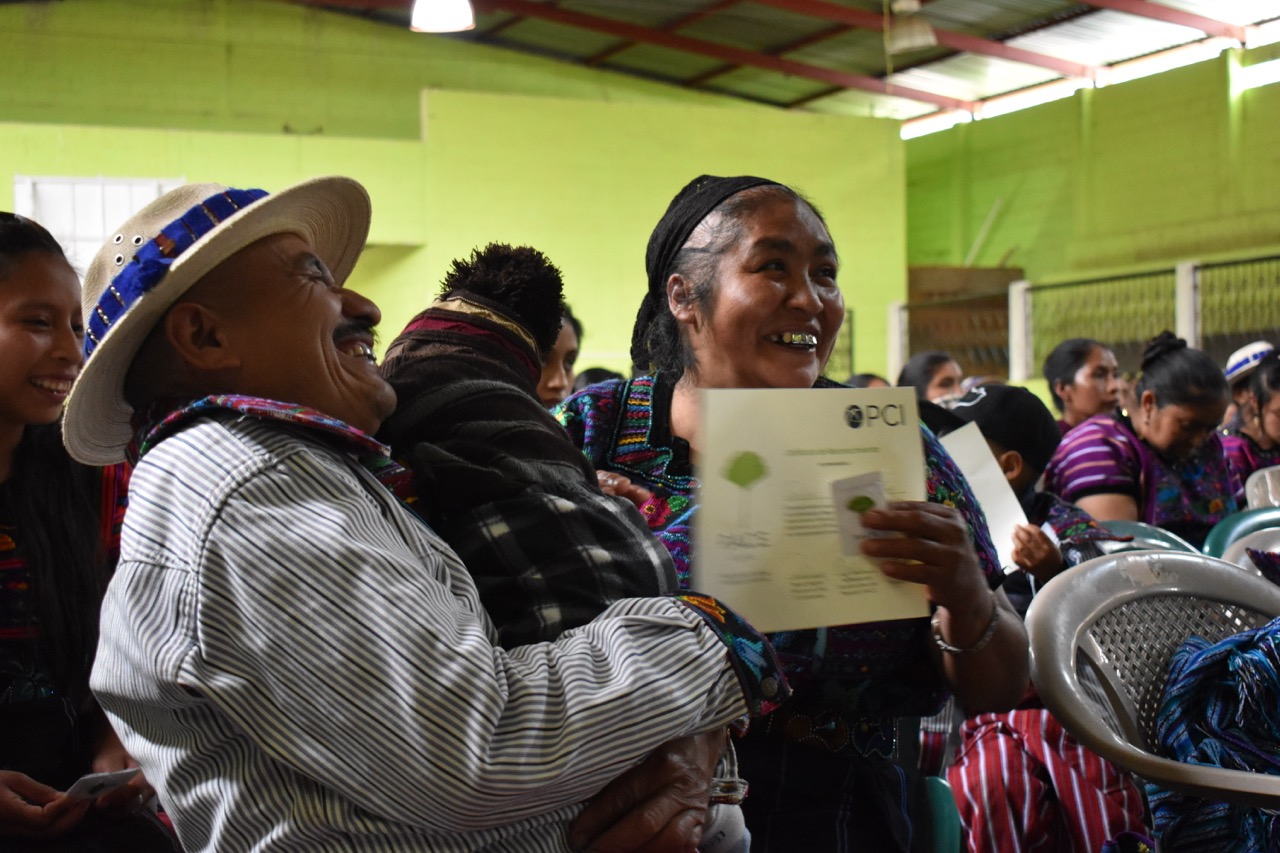
With the support of Gap, Inc. and the Brighter Together Foundation, Global Communities implemented the WE-PACE project between April 2023 and June 2024. The project combined our signature WE methodology with the Personal Development and Professional Empowerment (PACE) methodology to advance the skills and development of women from the Mixco and Guatemala municipalities.
We carried out the project in collaboration with local actors, including Fundal, the San Antonio María Claret parish, the Universidad de San Carlos (USAC) School of Social Work, the Neurological Institute of Guatemala and the departmental Directorate of Education. WE-PACE formed 25 WE groups and trained 338 women in communication, problem-solving, decision-making, time and stress management, and WASH. (Completed in 2024)
Enhancing School Infrastructure and Women's Initiatives
Global Communities supported the implementation of the Aprendizaje para la Vida III (APVIII) (“Learning for Life” in English) project led by Catholic Relief Services (CRS) from 2021 to 2024. Funded by USDA, this McGovern-Dole project was implemented in the municipalities of Momostenango, San Andrés Xecul, San Bartolo Aguas Calientes, Santa Lucía la Reforma, Santa María Chiquimula and Totonicapán, in the department of Totonicapán.
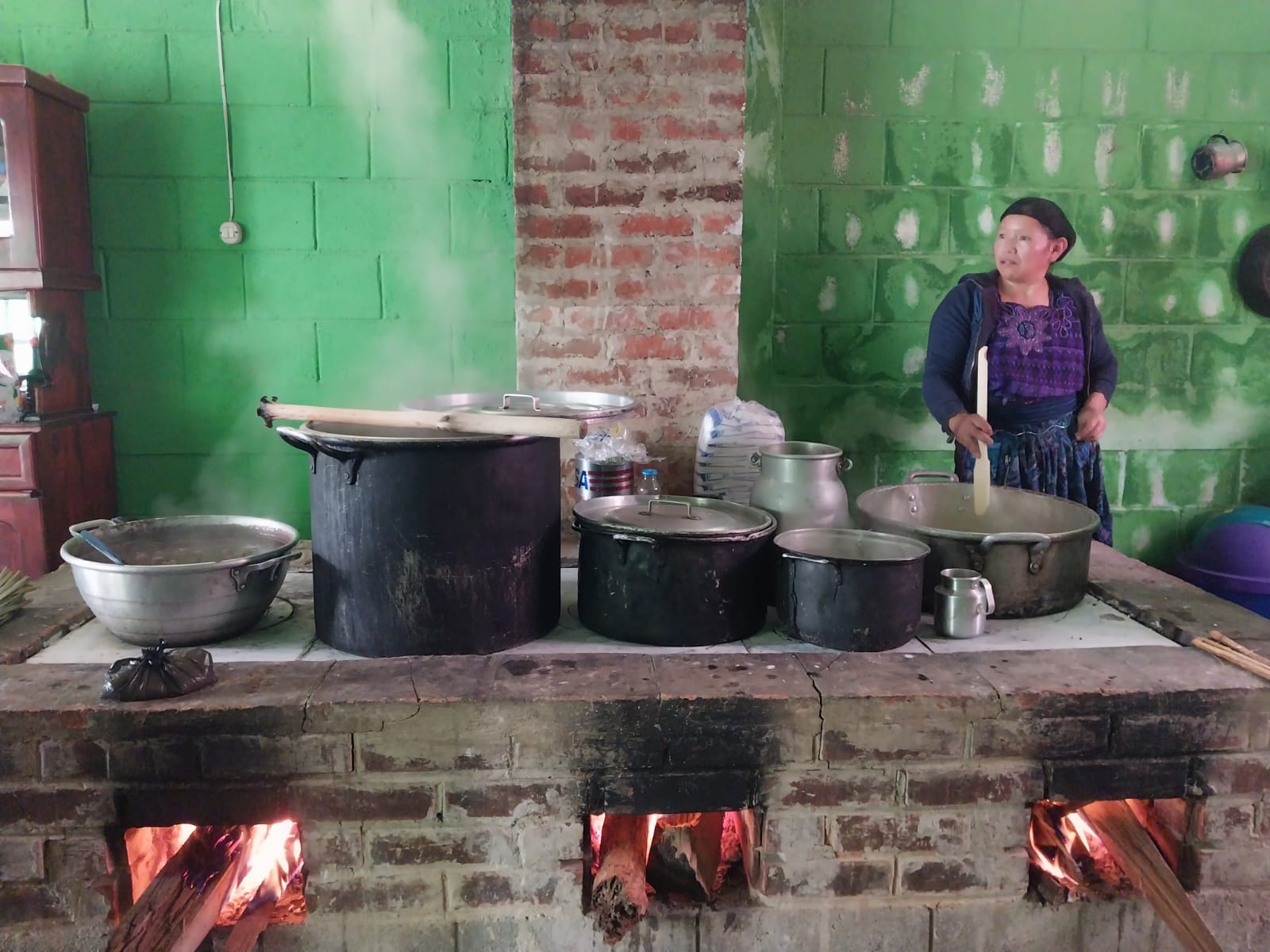
Global Communities used its flagship WE methodology, coupled with the “Clean and Happy” methodology, to promote women’s empowerment, financial inclusion, and optimal hygiene behaviors. The initiative formed 90 WE groups involving over 1,000 women. In addition, we performed 190 infrastructure improvements in 58 schools, helping more than 7,000 students access better educational facilities.
Through APVIII, schools received support with building warehouses, remodeling kitchens, rehabilitating toilets and water projects. (Completed in 2024)
Impact
17,338
people reached with
multi-purpose cash assistance
from 2024 to 2025
51,846
students receive daily school
meals in 2025
8,275
people were able to access
water services in 2025
Resources
Mujeres Empoderadas: Innovaciones en la programación de grupos de ahorro
Exploring Health Provider Knowledge of the Undetectable Equals Untransmittable (U=U) Concept in Central America
Cooperative Development (CLEAR+) Program Project Brief
CLEAR+ Gender Analysis and Action Plan
News

Striving to Find and Serve Missing Children in HIV Treatment & Care
By Betty Adera Despite tremendous progress in the fight against HIV and AIDS, outcomes for treatment and care among children remain low. Sadly, disparities in the HIV response continue to result in failure to meet the unique needs of children living with or are at high risk of HIV. At the end of 2019, an…
Using the New Digital Savings Group Hub to Eliminate Paper, Inspire Savings
Digitization can feel overwhelming — and even risky when considering inherent equity and access issues. Yet, with the right resources, organizations can go paper-free, or at least reduce that paper output, and save money in the process. We chatted with Paulina Rudnicka, Senior Technical Advisor for Gender Integration at Global Communities, about the launch of…

Expanding Possibilities for Women Entrepreneurs in Guatemala
By Jessica Ayala Just over a year ago, Sucely Rocsana Reyes Molina never would have imagined that she would own a flourishing formal dairy business with so many opportunities in the market. Today, the 30-year-old single mother has multiple people who help her deliver 15 types of cheeses and creams, expanding her business well…